The FIFA 2026 World Cup is not just about it being the biggest football tournament to happen in history. These days, fans are wondering how as a major event, it keeps to sustainability, social responsibility and what legacy the games will leave. The three host nations—Canada, Mexico, and the United States—shows that this will become a global celebration. And they must set some new standards when it comes to social inclusion, climate action, governance, and overall community impact.
In fact, to make this happen: seeing sustainability and what legacy the World Cup in 2026 will leave behind, FIFA has created a guided framework. This strategic framework highlights what should be seen during the games, making a lasting impact for next year’s games and the next World Cup to follow.
2026 World Cup Strategy and Vision
FIFA has a sustainability and human rights strategy for the upcoming 2026 World Cup, and they are built on pillars. The four key pillars include: social, environment, economic, and governance. This plan is intended to be applied for all phases of the tournament, from preparation, staging, down to the post-even legacy. Thus, allowing impact that will last long past the final whistle.
SEE ALSO: 48 Teams, 104 Matches: FIFA World Cup 2026 Format Explained
Purpose of the Strategy
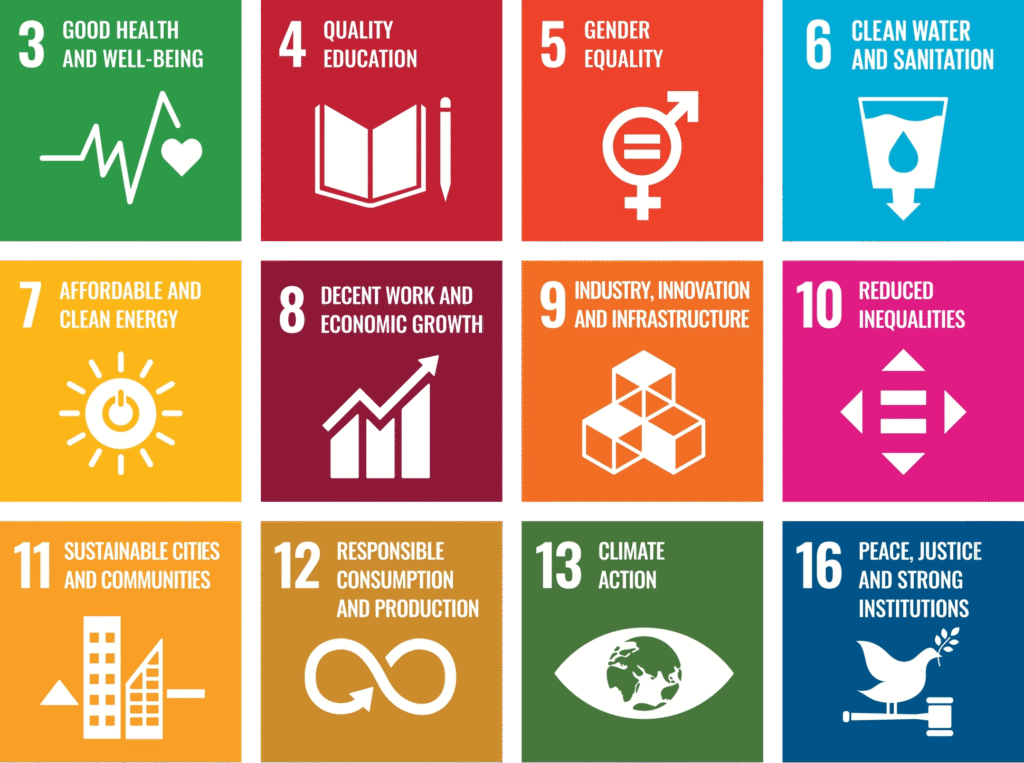
The goal of the strategy, as a whole, is to maximize the most positive effects of the 2026 World Cup. Of course, all while managing risks and responsibilities. FIFA intends to align international standards like ISO 20121:2012 to have sustainable event management all while meeting the UN Guiding Principles on Business and Human Rights. So, by incorporating the below SDGs or United Nations Sustainable Development Goals, FIFA can ensure that they will also leave a transformative legacy for every host city.
Scope of the Strategy
The strategy is applicable to all the 16 host cities and stadiums, as well as human rights, environmental, and community programs. The cities are mandated to develop an environmental plan and a human rights action plan, which meet both the needs of the city but are in line with the FIFA global agenda.
Social Pillar of the 2026 World Cup
The social aspect of the World Cup 2026 is centered around inclusivity, safety, diversity, and empowerment. It makes the event open to all and strong community programs are left behind.
Fighting Discrimination and Promoting Diversity
The Anti-Discrimination Monitoring System will be applied to stop and deal with the incidents in stadiums by FIFA. The implementation of campaigns and training will be conducted to create a strengthening of messages of equality and respect in all host cities.
Accessibility for All

Among the most crucial promises is to make sure stadiums and tournament locations are open to individuals with disabilities and declining mobility. Access to permanent and temporary infrastructure will be FIFA-compliant, and there will be equal experiences to all fans.
Safeguarding and Child Protection
Child protection, child safeguarding policies, and anti-exploitation will be prioritized in the 2026 World Cup. Host cities will also work with civil organizations in combating human trafficking, and these people will be safe.
Empowering Local Communities
FIFA will do inclusive hiring practices when it comes to garnering community initiatives. It is also imperative for them to have engagement with the Indigenous and underserved populations from the host countries. Thus, making the World Cup a stage for opportunities for the locals that goes beyond the pitch.
Environmental Pillar of the 2026 World Cup
FIFA’s environmental strategy for the FIFA World Cup 2026 is rather ambitious. Their goals to reduce carbon emissions, minimize waste, and encourage sustainable operations are key for having a sustainable World Cup.
Sustainable Infrastructure and Operations
2026 World Cup host cities are actually encouraged to adopt some sustainable building certifications. Especially for their stadiums while implementing eco-friendly infrastructure. Training programs, as well, can raise awareness among the staff and suppliers. So this will ensure that there’s consistent sustainability practices.
Climate Action and Carbon Reduction
FIFA’s World Cup will also measure and mitigate any greenhouse gas emissions that may occur. On top of that, renewable energy use, best transport routes, and sustainable fleet operations are important initiatives. Plus, public transport, cycling and walking friendly roads will be promoted so fans can reduce their own carbon footprint when traveling during matchday.
Waste Reduction and Circular Economy

Waste management at any location will be informed by principles of the circular economy. Recycling, composting, and repurposing of the materials will become the norm and the reduction of food waste will be introduced in the stadiums and fan zones.
Water and Biodiversity Protection
Irrigation systems and fixtures that are water efficient will help minimize consumption and host cities will support biodiversity awareness campaigns. During the operation of the tournaments, protection of flora, fauna and animal rights will also be prioritized.
Economic Pillar of the 2026 World Cup
The 2026 World Cup is set to become the most economically influential event ever. In addition to the direct stimulus created by tourism, FIFA plan guarantees future gains.
Local and Regional Procurement
Host region suppliers will be prioritized, and small and medium businesses will be able to directly reap the benefits of the stream of contracts and opportunities.
SEE ALSO: FIFA World Cup 2026 Tickets: How to Buy Safely
Long-Term Site Legacy
The infrastructure and stadiums built during the world cup will benefit the local communities over decades. Temporary buildings will be recycled, and no resources will be wasted.
Sustainable Tourism

Tourist host countries hope to improve visitor experience and preserve the environment by encouraging eco-friendly tourism practices. This strategy links football enthusiasm to responsible travel.
Governance Pillar of the 2026 World Cup
Good governance, everywhere, will give fans peace of mind on transparency and accountability. By collaborating with stakeholders, governing bodies of host cities can keep this key pillar of sustainability and legacy alive.
Event Management Systems
With the 2026 World Cup managed under ISO 20121:2012 standards for sustainability, governance mechanisms follows after. They are then designed to allow for compliance and reporting. In fact, post-tournament reports will provide the people and fans transparent results. This will, then, demonstrate each host country’s progress and lessons learned at the time.
SEE ALSO: How to Watch World Cup 2026: TV & Streaming
Human Rights and Supply Chains
All suppliers and contractors in the 2026 World Cup host countries are required to meet both aspects: human rights and sustainability standards. FIFA is keen on working closely with host cities to ensure that these principles are applied on all levels of operations.
Collaboration and Capacity Building
Host cities for FIFA World Cup 2026 who integrate regular forums and workshops will help to share knowledge, address issues, and build capabilities during the games. Such an approach, in collaboration with stadiums and FIFA representatives, incites cohesive action for all stakeholders.
Legacy of the 2026 World Cup
The FIFA World Cup 2026 games will certainly leave a last impact on host cities, especially for new hosts such as Canada.
Waste on a Global Stage
For example, each match at Canada’s BMO Field and BC Place are bound to produce about 100,000 or more single-use items. If you factor in the length of the tournament, that means millions of cups, trays, and wrappers. When left unchecked, it could affect Toronto and Vancouver, risking their legacy being left with waste instead of progress.
A Path to Change
Not just for Canada, but for Mexico and the United States as well – switching to reusable items can prevent 2.3 million in single-use items during the 2026 World Cup. Many benefits for host countries on this include:
- Local green jobs in cleaning and logistics.
- Lower waste management costs.
- A zero-waste experience for fans.
More importantly, reuse systems could remain in place, setting a new global standard in sport.
Lessons from Seattle
In fact, for the United States in one of the host cities, Seattle, they demonstrate that there is more than waste to legacy. Its “26 by 2026” commitment to construct free community pitches draws attention to how mega-events can prompt sustained grassroots development.
SEE ALSO: Football Stadium Do’s & Don’ts: Fan Etiquette and Safety Rules
Beyond Waste
Legacy also includes ethics. Previous World Cups have been accused of mistreating the workers and not adhering to human rights promises. By equaling inclusivity and accountability with environmental objectives, Canada has an opportunity to raise the bar.
How the 2026 World Cup Will Reshape Football’s Future
The FIFA World Cup 2026 will not be just a tournament, but a test of responsibility. As Canada, Mexico, and the United States host the largest sporting event in the world, the metric of success will not be limited to the pitch but also the commitments on the sustainability, inclusion and human rights.
The four-pillar strategy by FIFA, which includes the social, environmental, economic, and governance pillars, provides a roadmap to make sure that the games leave a legacy worth writing home about. Whether it is through zero-waste stadiums and carbon mitigation schemes or the grassroots growth and greater human rights safeguards, there is the potential to rebrand what a mega-event can do to help the society.
However, an implementation is as good as a framework. The host countries need to take a decisive action, implementing the system of reuse, increasing the community programs and keeping the government transparent. Thus, it’s only through this point, that the World Cup in 2026 could be remembered. Then, not as just some sports event that creates waste and other issues, but one that stands by their responsibilities and sustainabilities on a global scale.
Ultimately, the history of the 2026 World Cup will be measured by the fact that it leaves empty promises or real gains.
Related posts
 Championship