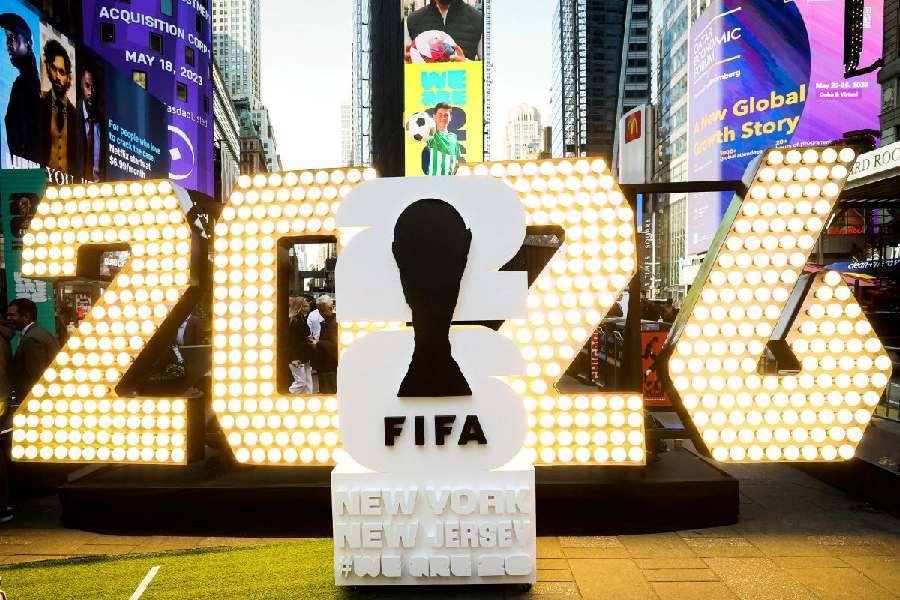
When the United States hosts the 2026 FIFA World Cup, it will not be merely about the games or the talent on the pitch. The larger narrative is after it is over. With nearly all of the games being hosted in 11 American arenas, the nation has an opportunity to leave behind more than a few weeks of unforgettable soccer. The true measure of success will be the changes in infrastructure, the economic impact to cities, and how the tournament refines the culture of the sport in America far into the future.
Economic Boost and Job Creation in United States
Having a World Cup brings a flood of money into a nation, and the United States is likely to experience a huge surge. Billions of revenue are anticipated, dispersed through tourism, hospitality, retail, and property. Hotels will be full, restaurants will be humming, and local stores in host cities will see traffic like never before. Train stations and airports will be more crowded than ever before, as supporters across the world journey to support their clubs.
Outside tourism, employment will double. Construction workers, event staff, transport employees, and service workers will all find work. Most of these will be temporary, but some sectors—particularly travel and hospitality—may feel the benefits for several years. The real test is ensuring these gains do not disappear with the tournament and that small host cities receive a reasonable share of the spoils.

Stadiums and Infrastructure Upgrades
If there’s one legacy fans can literally touch and feel, it’s the stadiums. From MetLife Stadium in New Jersey to SoFi Stadium in Los Angeles, stadiums are all receiving major overhauls. Seating is being replaced, accessibility enhanced, and fan sections being reimagined to accommodate huge groups of people with ease. Dallas and Kansas City are investing serious cash to make their arenas FIFA-compliant.
But it doesn’t end at the stadium entrance. Airports are being expanded, public transit routes tweaked, and urban infrastructure built up to handle the arrival of millions of fans. These upgrades aren’t for a month of football alone. They’re intended to get cities better connected and more attractive to tourists and events in the future.
A Nationwide Effort For 2026 FIFA World Cup
The U.S. government understands the magnitude of the challenge. That’s why a special task force has been created to coordinate among federal, state, and local governments. Security, transportation, and city logistics are all being tackled as part of one national plan.
For city governments, the World Cup is not merely an opportunity to play host to matches—it’s also a possibility of enhancing the global image of their city. A successful event may invite additional concerts, conventions, and sporting events in the future.
Cultural Impact and Community Growth
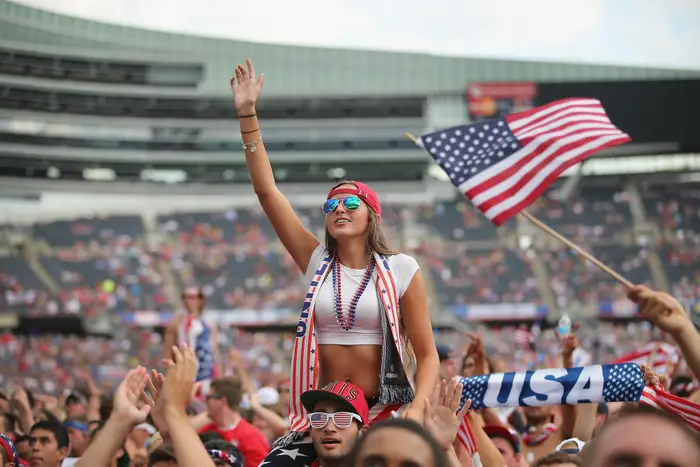
Maybe the longest-lasting legacy won’t be monetary or material but cultural. Soccer has been consistently increasing its standing among American sports, and 2026 might be the year it tips. With millions of people in attendance at games and millions more watching from the comfort of their own homes, the sport will be driven further into the mainstream.
More children will be interested in playing. More parents will get them signed up for local leagues. Grassroots programs will receive new funding, and youth soccer to professional leagues paths may grow. The host cities’ surrounding communities will benefit too—whether in the form of new parks, training facilities, or public events in association with the tournament. Fan festivals and cultural exhibitions will provide individuals with memories that extend beyond the games themselves.
Sustainability and Accessibility for the United States
Contemporary sporting events are not only assessed on spectacle. They’re also gauged based on how responsibly they’re operated. For host cities in the U.S., sustainability is a unifying theme. Sports venues are being retrofitted with energy-efficient equipment, more environmentally friendly operations, and improved waste management. Public transportation upgrades will also decrease traffic as well as emissions during the event.
Accessibility is another legacy that is essential. Stadia are being upgraded so that disabled fans can attend the games without obstruction. These modifications will transcend the World Cup, making stadia more accessible for all eventualities in the future.
Risks That Could Undermine the Legacy
Naturally, great promises are accompanied by dangers. The renovations may exceed budget, saddling cities with debt. Some arenas may never be heavily used after the World Cup, making pricey upgrades expensive albatrosses. There is also the risk of wealthier, larger cities taking up most of the spoils, and smaller ones being left in the dust.
On top of it all, unless sustainability objectives are achieved or native communities feel included, the story of a good legacy can unravel. Making sure that stadiums continue to stay busy, open, and purposeful will be the ultimate test.
Measuring Long-Term Success of USA Hosting 2026 FIFA World Cup
Ultimately, the World Cup legacy in the United States will not be measured by an accounting sheet. It will be measured by whether kids continue to play the game in increasing numbers, by whether cities reap the rewards of enhanced facilities, and by whether tourism continues to thrive long after the trophy is hoisted.
If all goes according to plan, the 2026 World Cup will be remembered as the summer that soccer solidly rooted itself in American society—and when a global celebration left us with improvements that communities could reap for decades.
Read more: Canada’s Moment in the Upcoming FIFA World Cup 2026
Related posts
 Fan Experience
3 Reasons Why Mbappé Won’t Surpass Zidane Ahead of World Cup 2026
 Predictions