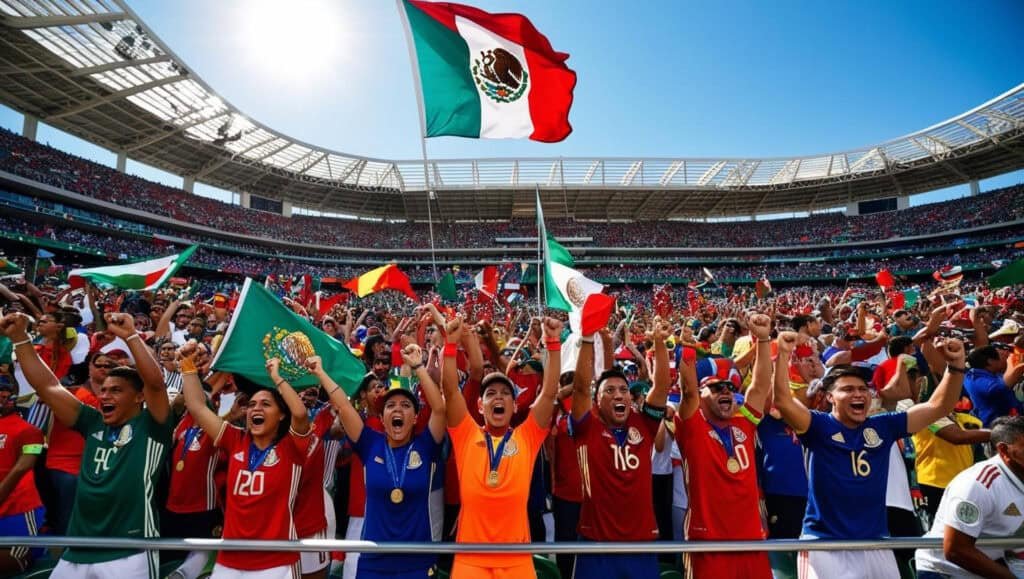
Mexico has been here before. Twice, in fact. First in 1970 when Pelé lifted the trophy, then again in 1986 when Maradona danced past England in a way people still argue about. Now, four decades later, Mexico is back on the hosting stage. This year the nation is not alone — it’s got help from the United States and Canada — but ask any football romantic and they will tell you, Mexico doesn’t merely “host”, it inhales football. The actual suspense is not if the fans will appear (they will, in massive quantities), but what Mexico will retain when the circus departs town.
Stadiums With History and Fresh Paint In Mexico
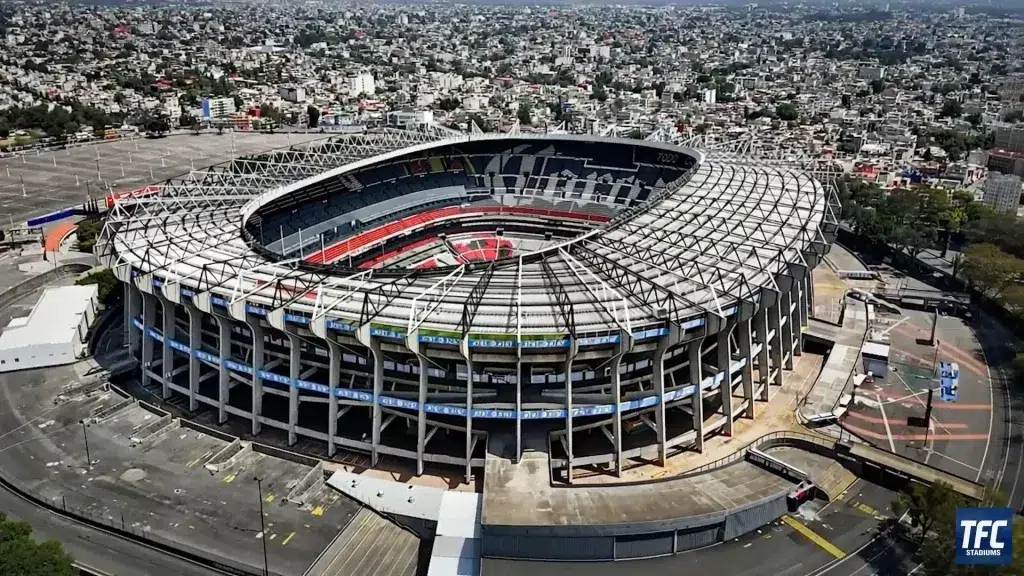
Estadio Azteca isn’t a stadium, it’s a shrine. Two finals, legends born, and memories that every football fan has watched replayed a hundred times. For 2026 it gets another make-over, because the old giant should be as good as new when the world returns. Bigger screens, more intelligent seating, smoother entrances, less bottlenecks. It’s rational, perhaps, but it’s also symbolic: Mexico buffing up one of its national gems.
Guadalajara’s Estadio Akron and Monterrey’s Estadio BBVA don’t have the same mythical heritage, but they’re important in their own respects. Akron is updatings, while BBVA is already streamlined but still tweaking the little things. These improvements don’t disappear once the final whistle blows. If local clubs and event promoters keep them busy, the effort will be worth it for years, not months.
Off the Field
A World Cup doesn’t fit into stadiums. It overflows into airports, highways, hotels, street corners. Mexico City’s already gridlocked airport has had to prepare for the deluge. Guadalajara and Monterrey are preparing too, adding hotel beds, training employees, renovating public areas. Some of these adjustments won’t only benefit tourists. When smoother traffic movement or improved terminals remain, locals are better off. That’s the softer legacy — the one that creeps into daily life after the news headlines have faded.
Money, Jobs, and the Street Buzz In Mexico
The economic aspect is always boisterous. Billions spent, billions to be repaid. Packed hotels, filled restaurants, taco stands doing midnight trade outside stadiums. That is the kind of environment that gets host cities buzzing. For workers as well, the Cup is opportunity — construction jobs, event staff work, hospitality positions. Some disappear after the tournament, but some can remain if tourism momentum is sustained.
And there’s an intangible quality that’s more difficult to quantify: the vibe of cities during those weeks. Anyone present in Mexico in ’86 will attest — the streets hummed differently. That is not reflected in spreadsheets, but it exists, and it’s part of the heritage as well.
Football Culture Grows Deeper Roots
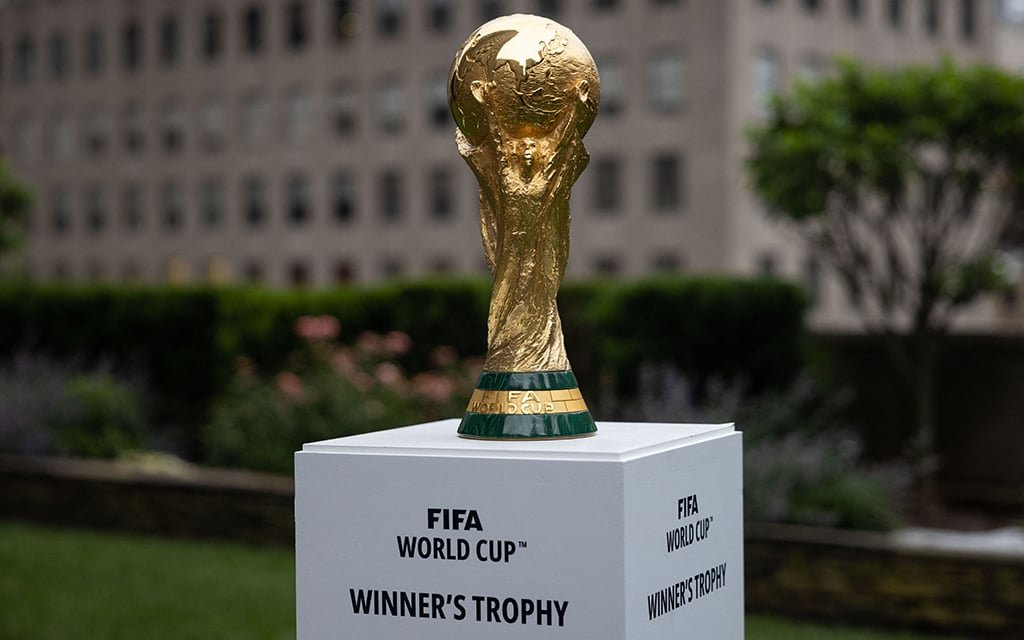
Mexican football need not be sold. It’s already everywhere — children kicking bare feet on side streets, entire families transfixed in front of the national team, local clubs with the same zeal that one holds religion. But having the world’s greatest players pass through once more, this generation, will light a new spark. Picture a 10-year-old in Monterrey watching a superstar in person, then hurrying home to kick a ball around with friends. That’s the kind of legacy that money can’t buy.
World Cup is also an opportunity for Mexico to let the world remember who it is outside the stadium fences. Tourists won’t simply recall goals; they’ll recall mariachi bands, street food, murals, and welcoming people. The cultural spectacle is as important as the soccer.
The Other Side of the Coin
Clearly, all is not golden. Stadiums cost an arm and a leg, and upkeep after the Cup can be a pain. Sustainability and accessibility promises are simple to commit to but difficult to follow through on. Smaller cities remote from the host cities might not receive any benefit whatsoever. And if organizers spend too much or leave venues empty in subsequent years, the legacy is tarnished. Mexico must be cautious here — there is much enthusiasm, but expectations are high too.
What Will Be Remembered
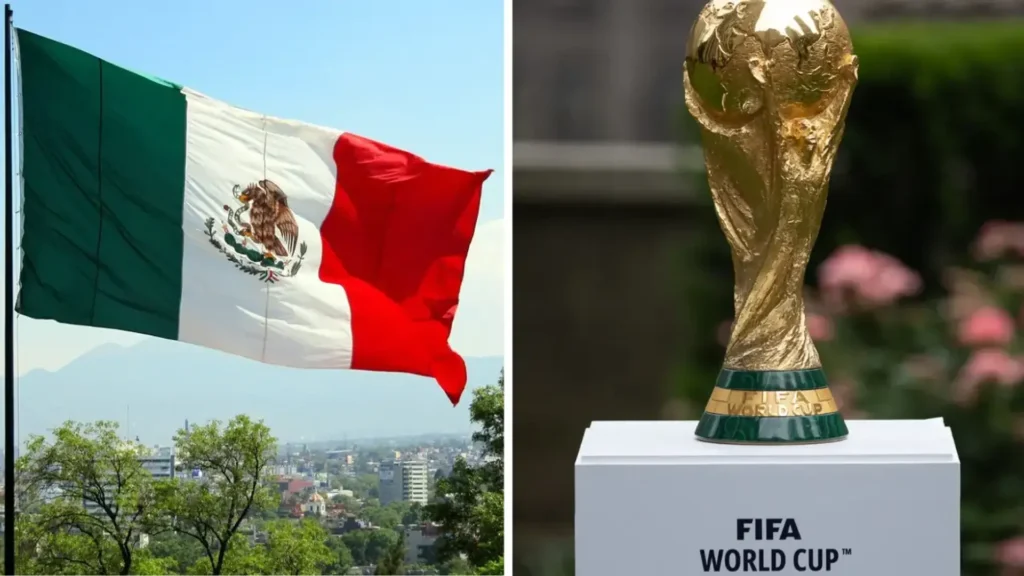
If you ask what success would be like in 2026, it’s not figures on a ledger. It’s if the Azteca remains packed when the World Cup is departed. It’s if Monterrey continues to attract events, if Guadalajara leverages the light to develop. It’s if travelers who came for football end up returning for the nation itself. Most importantly, it’s whether or not the tournament sows seeds with the next generation — children encouraged to pursue football dreams because they witnessed magic in their own backyard.
Mexico has already inscribed itself into World Cup history twice. 2026 will not be simply a matter of rehashing the past. It’s about authoring a new chapter, one that remains long after the final fan departs the stadium.
Read More: Canada’s Moment in the Upcoming FIFA World Cup 2026
Read More: The Long-Term Impact of Hosting the 2026 FIFA World Cup For USA
Related posts
 Fan Experience
3 Reasons Why Mbappé Won’t Surpass Zidane Ahead of World Cup 2026
 Predictions