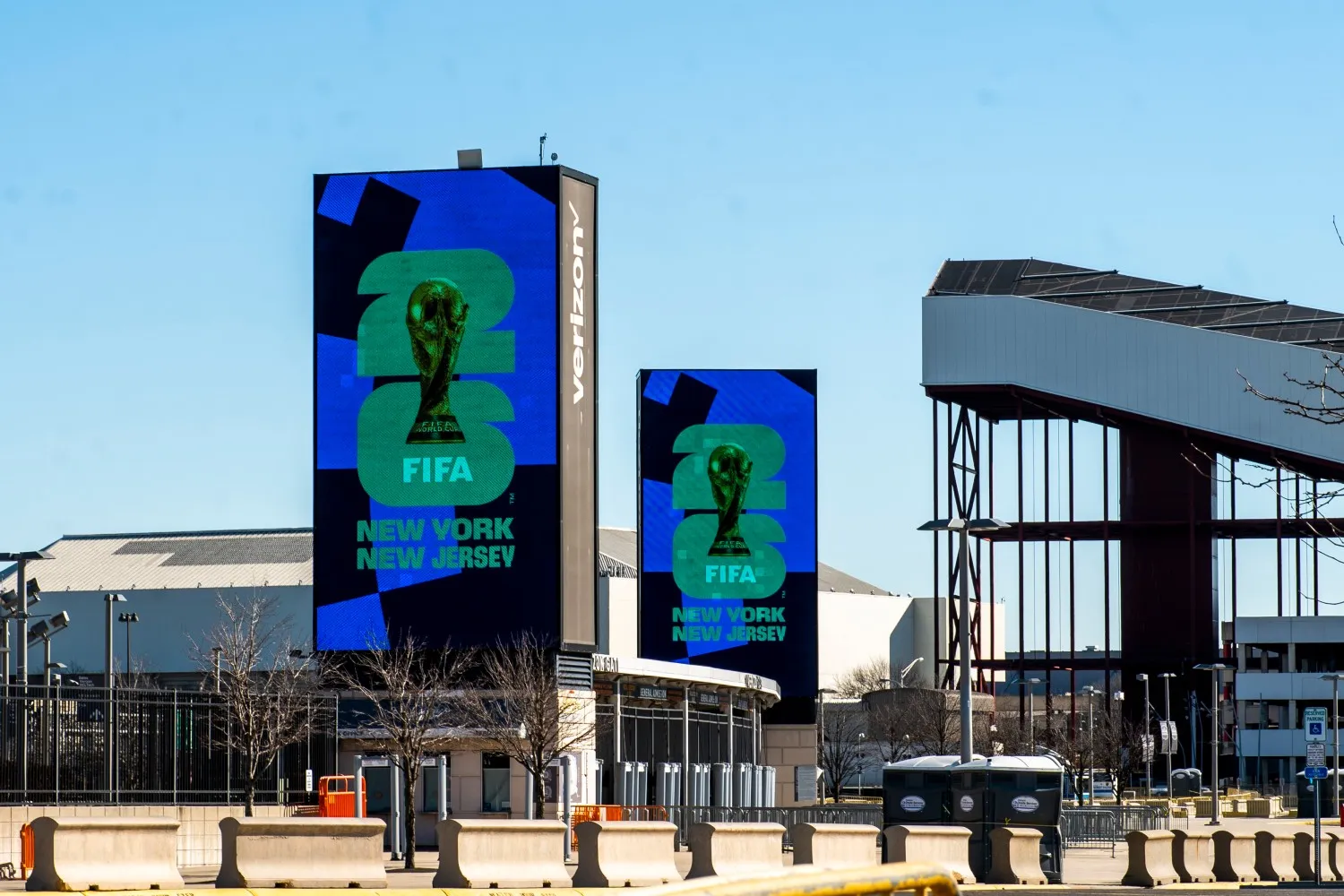
The clock is ticking. For tourists, urban planners, hoteliers, and anyone who loves to be a part of something newsworthy, the FIFA World Cup 2026 is about more than a soccer competition. From coast to coast across North America, each big city is preparing to host the world. The tournament will redefine the way people travel, stay, dine, and discover. Flights are being booked, stadiums are being cleaned and prepared, and host businesses are anticipating the largest tourism influx the continent has ever witnessed. By the time the world converges on North America, the mobility of people and the vitality surrounding it will transform how this part of the world is encountered forever.
Busy Skies and Busy Airports
Airline companies are already making plans. Numerous airlines are introducing new routes that connect cities in the United States, Canada, and Mexico. Flights to New York, Los Angeles, Toronto, and Mexico City will be full months ahead of the first match being played. Few enthusiasts during the FIFA World Cup 2026 will confine themselves to a single country. Airports are scrambling to get ready. Customs lines, baggage delivery, and delivery to the city center will all bear the brunt of millions spreading out over a short time period. For others, it could be a trial by fire. Either way, it will be a stress test for North American travel systems.
The Battle for Beds
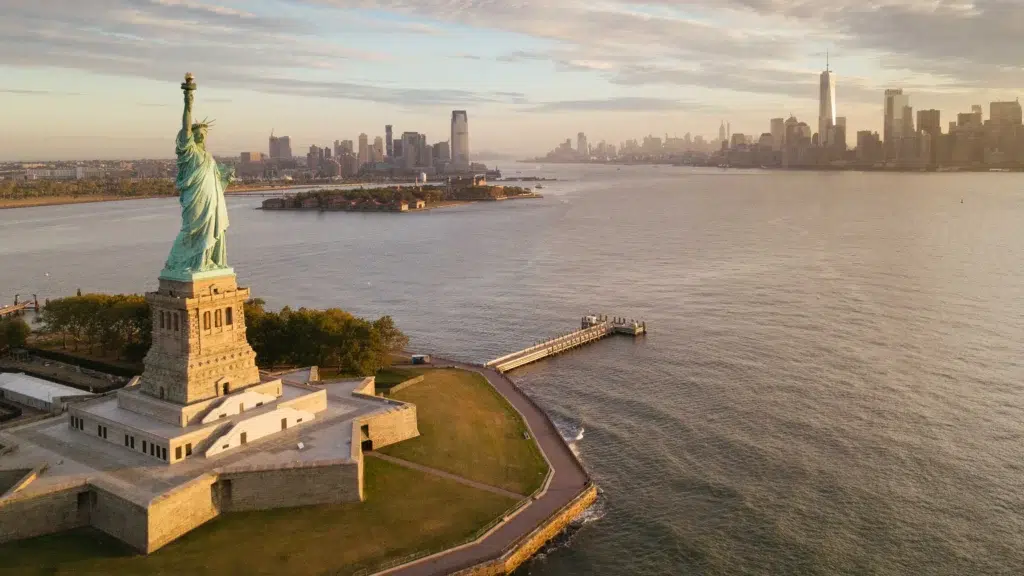
Where there is football, there are spectators, and where there are spectators, there is not enough hotel space. Accommodation is likely to prove difficult. Hotels and short-term rental hosts in North America are already taking advance bookings. Prices will soar in many cities, particularly close to stadiums. Some spectators are already making plans to camp out in nearby towns and travel to games. Hotels are being refurbished, new employees are being hired, and local businesses are gearing up to present their best. Some cities are planning to design fan-friendly activities within hotels or around fan parks so that even ticket-less people can feel the festival atmosphere.
The plan is to make every stay resemble part of the World Cup itself. Roads and Fan Transportation Travel in the continent will be almost as interesting as the tournament itself. The distances in North America mean that individuals will use all forms of transportation. Families will make the World Cup a road trip, visiting several cities and experiencing various corners of the continent. Host cities are doing their best to cope with anticipated crowds. In Mexico, new transport connections are being launched between stadiums and downtown areas. Canada is enhancing the connectivity between cities like Toronto and Vancouver. All this will define how people live North America in 2026 as well as subsequent years.
The Culture Beyond the Game
A World Cup unites the world but, at the same time, also offers every host nation an opportunity to display its identity. FIFA World Cup 2026 will be the celebration of North America’s diversity. Fans will discover local food, music, and custom in every city they go through. Mexican street tacos, American diners, and Canadian craft breweries will all find worldwide audiences. Small businesses and local artists will have a world platform. Visitors who travel for football will end up experiencing art, culture, and hospitality of local communities. The buzz will not be confined to stadiums; it will extend to streets, parks, and marketplaces.
Challenges Along the Way
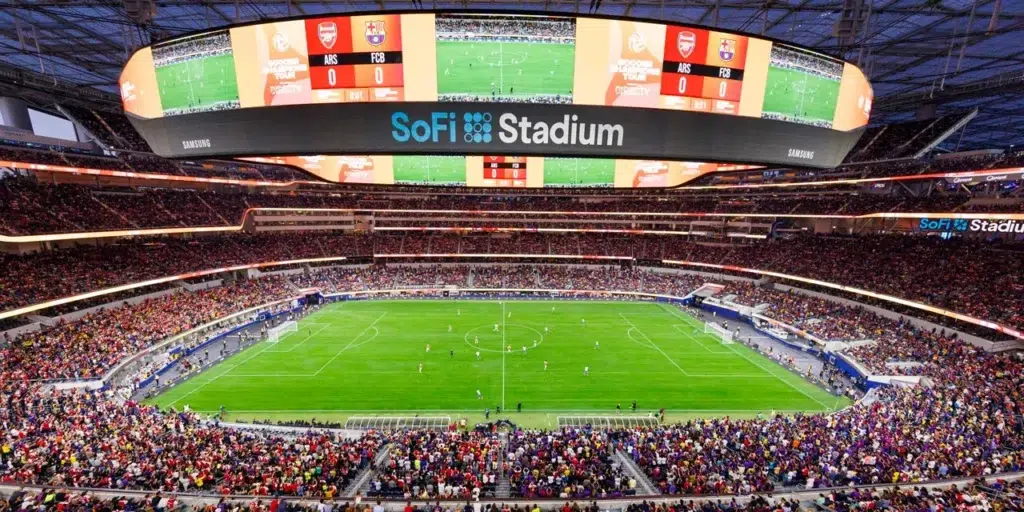
Of course, not everything will be perfect. Big crowds always cause issues. Hotel rates may become too high for ordinary travelers. Airports will likely become too crowded. Roads will get clogged. Smaller cities may not see as much benefit as the big ones. Organizers would have to balance promotion of tourism with sustainability and accessibility. If not managed well, the event would leave cities into debt or with unused infrastructure. But if done smartly, it will create a model for how North America would approach large-scale travel in the future. The hope is that once the World Cup is over, what was accomplished for the event helps the people who live there.
A Lasting Travel Legacy
The most compelling aspect of the FIFA World Cup 2026 might not be what transpires during the tournament itself but what is left behind. Cities that enhance their airports, public transportation systems, and tourism facilities will retain those improvements for generations. Companies that figure out how to cater to massive international audiences will be prepared for subsequent events. Fans who travel across borders for matches might discover cities they never considered before. Families may return to the same destinations after the tournament, this time not for football but for the experience they had. The connections formed between visitors and places can last much longer than the tournament itself.
The Journey Ahead
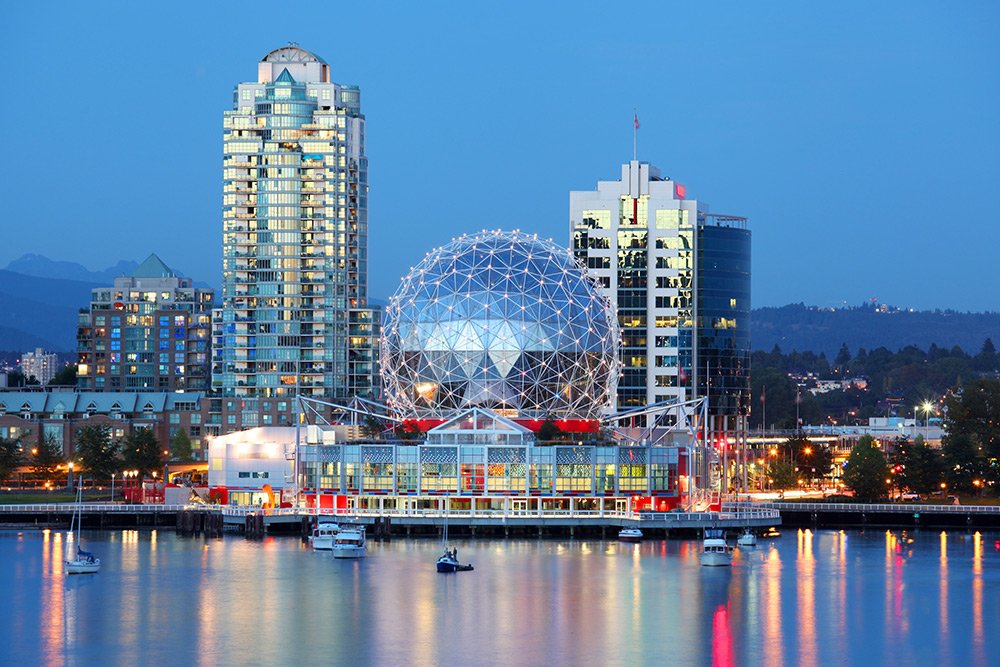
By the time the FIFA World Cup 2026 takes place, North America will be better connected than ever. The movement of humans, the exchange of cultures, and the shared euphoria will redefine what it means to travel in this region. It will not be merely a tournament; it will be an enormous experiment in movement, hosting, and human energy. When the final match is over and the crowds head home, the legacy will stay. For millions, their North American memory will not be simply goals and championships, but journeys — flights they flew, roads they traveled, meals they enjoyed, and generosity they encountered on the way. And that could be the real triumph of the FIFA World Cup 2026.
Read More: Mexico: Beyond the Matches, The True Legacy of World Cup 2026
Read More: Canada’s Moment in the Upcoming FIFA World Cup 2026
Related posts
 Fan Experience
3 Reasons Why Mbappé Won’t Surpass Zidane Ahead of World Cup 2026
 Predictions