Bold, fearless takes on the 2026 World Cup group stage predictions are finally possible now that the 48‑team format, 12 groups of 4, and official draw pots are set for the USA–Canada–Mexico mega‑tournament. Fans everywhere are already asking who will top groups, who will sneak through as third place, and which giants could crash out early.
With hosts spread across three nations, new contenders from every confederation, and a revamped path to the Round of 32, predicting shocks, dark horses, and group‑of‑death drama has never been more exciting. From heavyweight favorites to debutants chasing history, this guide will walk through smart, data‑driven 2026 World Cup group stage predictions that match how fans actually search and talk about the tournament.
Table of Contents
How the 2026 World Cup group stage format actually works now
New 12-group, 48-team layout explained in plain language
The 2026 World Cup has a brand‑new shape. Instead of 32 teams in 8 groups of 4, there will be 48 teams split into 12 groups of 4. Every team still plays three group matches, one against each of the other teams in its group, using the familiar 3 points for a win, 1 for a draw, 0 for a loss system.
So the basic experience for fans stays simple: you watch your team play three games in the group stage, then hope they’ve done enough to reach the knockouts. The big change is what happens after those 12 groups finish, because the tournament now needs to move from 48 teams down to a 32‑team knockout bracket.
That means the group stage is no longer just about finishing top two. The format is built so that some third‑place teams also move on, which makes every point and every goal feel heavier than before.
How many teams qualify from each group to the knockout rounds?
From each of the 12 groups:
- 1st place and 2nd place automatically qualify for the round of 32.
- Then all 12 third‑place teams are ranked against each other in one big table.
- The best eight third‑place teams also qualify.
Add it up:
- 12 group winners
- 12 runners‑up
- 8 best third‑place teams
That gives the 32 teams needed for a classic knockout bracket with a round of 32, round of 16, quarterfinals, semifinals, and final.
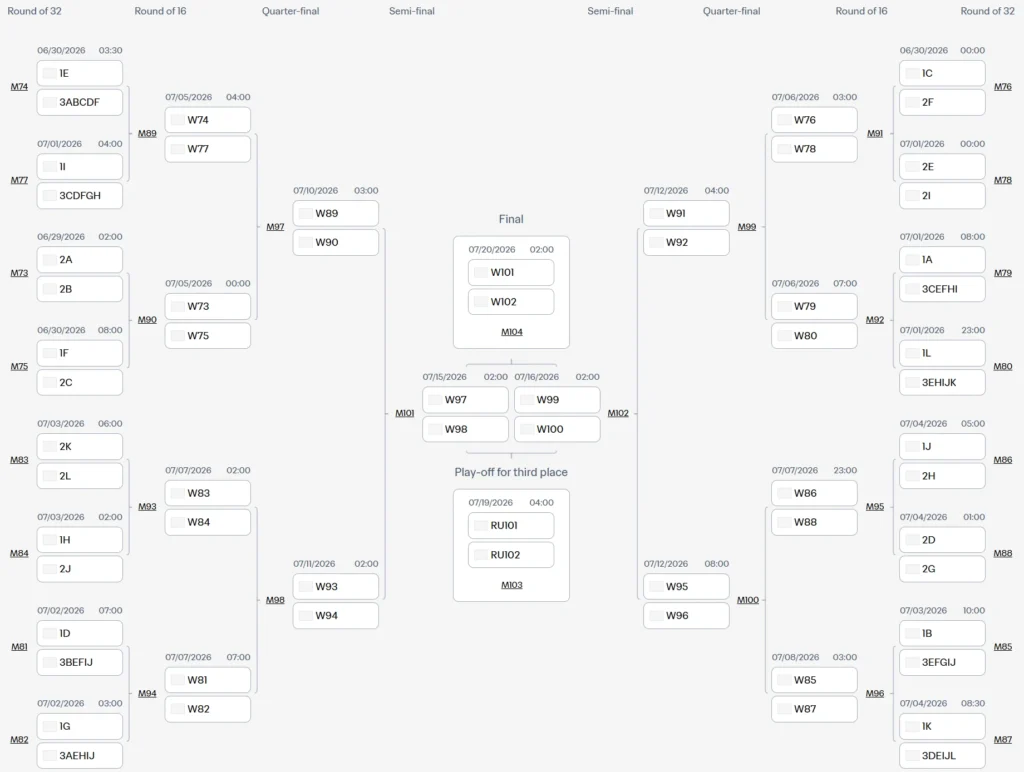
Because of this, a team can lose a game, finish third, and still advance if its overall record stacks up well compared with other third‑place sides.
Why third-place teams suddenly matter a lot
In 2026, third place is no longer “almost out”. It is a live path to the knockouts. That changes how teams approach the group stage:
- A draw against a favorite can be gold, because 4 points (a win and a draw) will almost always be enough for a third‑place team to sneak through, and even 3 points with a good goal difference might keep you in the conversation.
- Goal difference and goals scored become crucial. A heavy defeat can wreck a third‑place ranking, while a late consolation goal might be the difference between flying home and playing in the round of 32.
- Teams that lose their first match are not in panic mode as quickly. With three games and a softer cutoff, they can still target third place and hope to be one of the eight best.
In short, the 2026 World Cup group stage will reward not just the dominant teams, but also the clever survivors who manage their points, goals, and risk across all three matches.
Must-know favorites to win their groups (the “near locks”)
Traditional powerhouses expected to cruise through
With the draw done and the 2026 World Cup groups locked in, a few traditional giants already look like near-certainties to win their sections. Spain, sitting as overall tournament favorite with the shortest outright odds, landed in a group that models rate as one of the softest for any top seed, making them a heavy pick to finish first.
Brazil are massive favorites in Group C, where betting markets price them as overwhelming group winners ahead of Morocco, Scotland, and Haiti. That price gap reflects both Brazil’s talent and the lack of another true superpower in the group.
Defending champions Argentina, plus France and England, also project as strong group winners. Each sits in Pot 1, each has top‑five or top‑six outright odds, and none drew another elite seed in their section. Data models from major analytics firms give all four a high probability of topping their groups if they simply play to their usual level.
Germany and Portugal round out the “almost automatic” tier. Both are seeded, both come in with strong qualifying records, and both avoided a second superpower in their groups, which pushes their group‑winner probabilities well above most of the field.
Which host nations are favored to top their groups?
Host nations usually get a seeding boost, and 2026 is no different. The United States, Mexico, and Canada were all placed in Pot 1 and pre‑assigned to Groups D, A, and B. That alone gives them a structural edge: they avoid Spain, Argentina, France, England, Brazil, and the rest of the top seeds in their own groups.
Among the three, Mexico and the USA are the most favored to win their groups. Early group‑winner odds have Mexico as a narrow but clear favorite in Group A, ahead of South Korea and Denmark. The USA, drawn with Australia, Paraguay, and a European playoff winner, are also slight favorites to finish first in Group D, helped by home crowds and limited travel.
Canada’s path looks trickier. In Group B they share the stage with Switzerland and Italy, both ranked higher and carrying shorter outright odds. Markets still respect Canada’s home advantage, but they are generally priced as third‑favorite to win the group, with more realistic expectations centered on simply qualifying for the knockouts.
Groups where the betting odds show huge gaps
If you want to spot the true “near locks,” look for groups where one team’s price to win is dramatically shorter than everyone else’s. Group C is the clearest example: Brazil are listed at heavy odds‑on, while Morocco, Scotland, and Haiti sit far behind in the betting. That kind of spread signals that anything other than Brazil finishing first would be a genuine shock.
Several other groups show similar, if slightly smaller, gaps. Spain’s section, Argentina’s Group J, and France’s group with Senegal and Norway all have one clear favorite and then a cluster of outsiders. In each case, the top seed’s implied chance of winning the group is roughly double or more that of the next‑best team.
These lopsided markets are why so many predictions treat a handful of powerhouses as “near locks” to win their groups. Upsets can always happen, but the numbers say you would need something close to a minor miracle to knock some of these giants off the top spot.
Dark horse teams that can absolutely shock their groups
Surprise contenders from Africa and Asia to watch
The 2026 World Cup format is perfect for dark horses from Africa and Asia. With more slots and a round of 32, a single big win can flip a group. Recent qualifying and continental form point to a few standout “this could really happen” teams.
From Africa, Morocco are no longer a fairy tale, they are a genuine force. A World Cup semifinal in 2022 and strong results since make them a nightmare draw for any top seed, even if they are technically “only” a Pot 2 side. Senegal and Ivory Coast also have the mix of European‑based stars and physical intensity that can overwhelm more glamorous opponents in a one‑off group match.
Asia’s new wave is just as exciting. Uzbekistan and Jordan have both qualified for a World Cup for the first time and come in with fearless, front‑foot styles that surprised bigger names in Asian qualifying. Add in battle‑tested sides like Japan, South Korea, Iran and Australia, and you get groups where the “Asian underdog” tag is badly outdated. These teams press, counter fast, and are tactically smart enough to punish any complacent favorite.
If a giant slips early, expect an African or Asian side with nothing to lose to kick the door wide open.
European playoff winners that could flip a group on its head
The UEFA playoff winners will all drop into Pot 4, which means a group could look gentle on paper… until a dangerous European side fills that last slot. The four playoff paths will likely feature nations just outside the top seeds: think solid, tactically drilled teams with enough talent to beat anyone on the day.
Because they are placed in the lowest pot, a playoff winner can create a brutal mix like: one global powerhouse from Pot 1, a strong South American or African team from Pot 2, a tricky European or African side from Pot 3, and then a playoff winner with nothing to fear. That is how a “normal” group instantly becomes a group of chaos.
These playoff teams also arrive battle‑hardened. They will have survived high‑pressure, knockout qualifiers in March 2026, so tight World Cup group games will feel familiar rather than intimidating.
Underrated CONCACAF and CONMEBOL sides ready to punch up
Outside the traditional giants, there are several CONCACAF and CONMEBOL teams built to spring group‑stage shocks.
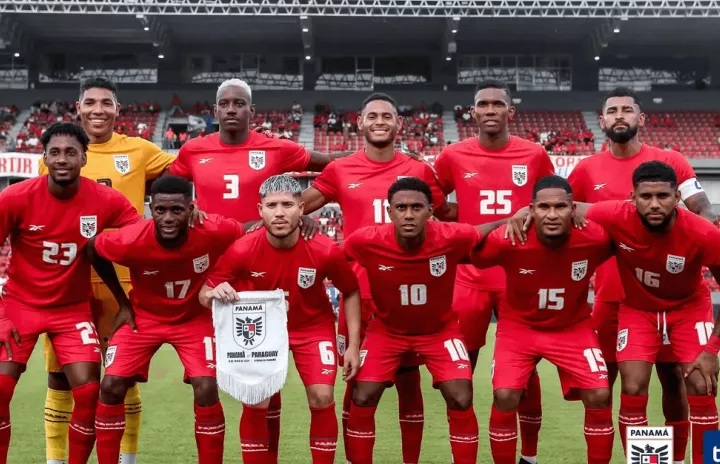
In CONCACAF, nations like Panama, Haiti, and Curaçao have already shown they can frustrate or even beat bigger regional names. Curaçao, for example, pushed heavily favored opponents in qualifying and now sit in Pot 4 as a classic “do not underestimate them” side. Their mix of European‑based players and compact defending makes them ideal spoilers in a tight group.
From South America, Ecuador, Colombia, and Paraguay are the archetypal dark horses. They come through one of the toughest qualifying gauntlets in the world, used to altitude, hostile atmospheres, and constant high‑level games. Dropped into a World Cup group, they bring rugged defending, lethal counterattacks, and set‑piece power that can undo even the most polished favorite.
Put simply: if you are filling out a 2026 bracket, ignore these names at your peril. They might not win the tournament, but they absolutely can wreck a group.
Potential 2026 World Cup group of death scenarios
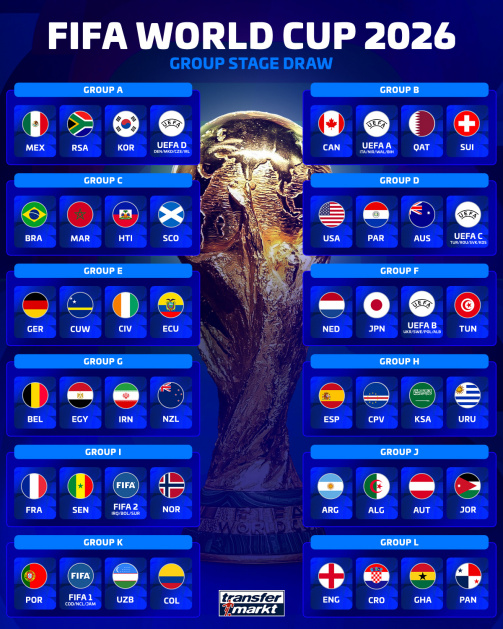
Which combinations of seeded and Pot 2 teams create nightmare groups?
With 48 teams and 12 groups, you might think the “group of death” is gone. It absolutely is not. The 2026 World Cup draw still uses four pots of 12 teams, with one team from each pot in every group. Hosts USA, Mexico, and Canada sit in Pot 1 alongside giants like Spain, Argentina, France, England and other top-ranked nations.
The real danger comes when a heavyweight Pot 1 side lands on a brutal Pot 2 opponent. Think of combinations like:
- A title favorite from Pot 1 (Spain, Argentina, France, England, Brazil)
- A high‑ceiling Pot 2 team such as Uruguay, Netherlands, or a resurgent African or Asian power
Because confederation rules only limit same‑region clashes (except UEFA can have two teams per group), you can still get a European superpower plus another strong European side in the same group, or a South American giant paired with a very awkward European or African opponent.
Add in the fact that Pot 4 includes playoff winners, some of whom may be much stronger than their seeding, and you suddenly have groups where every match feels like a knockout tie.
How a strong third seed can turn an easy draw into chaos
Even if the Pot 1 and Pot 2 pairing looks manageable, a powerful Pot 3 team can flip the script. For 2026, Pot 3 is filled with mid‑ranked nations that are still very capable: solid European qualifiers, rugged South American or African sides, and dangerous Asian teams that travel well.
Because only two teams are guaranteed to advance and third place has to fight for one of just eight “best third‑place” spots, a group with:
- An elite Pot 1 favorite
- A strong, well‑organized Pot 2 team
- A Pot 3 side that is better than its ranking
can become a three‑way knife fight. One slip, one bad red card, or one shock loss to that Pot 3 team, and suddenly the Pot 1 or Pot 2 favorite is staring at elimination or a brutal round‑of‑32 opponent.
The draw pattern also matters. In some groups, Pot 3 teams are slotted to play early against the seed, which raises the chance of an upset result that shapes the entire group narrative from matchday one.
Past “group of death” lessons that apply to 2026
History keeps warning us: rankings on paper do not protect anyone. In 2014, Spain and England both crashed out in the group stage. In 2018, Germany finished bottom of a group many thought they would stroll through. In 2022, heavyweights like Belgium and Germany again failed to escape their groups, while Japan and Morocco topped theirs.
Those tournaments showed three big lessons that fit perfectly with the 2026 format:
- Middle seeds are lethal. The “second” or “third” team in a group often has a clear identity and nothing to lose.
- One upset can reshape everything. With only three group games, a single shock result forces favorites into must‑win mode, which can backfire.
- Travel and conditions amplify chaos. In 2026, long distances and varied climates across North America will add another layer of unpredictability to already tight groups.
Put it all together and the 2026 World Cup is almost guaranteed to produce multiple groups of death: one brutal Pot 1–Pot 2 pairing, a sneaky‑good Pot 3 team, and a Pot 4 playoff winner that nobody really wants to face.
Safest group stage locks to advance to the knockouts
Nations that should qualify even on a bad day
With 32 of 48 teams reaching the knockouts, the true “locks” are the global heavyweights who would need a full‑scale disaster to go out early. On paper, Spain, England, France, Brazil and Argentina sit in that tier. They are all among the shortest-priced tournament favorites across major sportsbooks, which is a strong signal that markets expect them not just to qualify, but to go deep.
Add Portugal, Germany and the Netherlands to that list of near‑certainties. Their outright odds are clearly better than the chasing pack, and they have deep, experienced squads with strong recent records in qualifying and major tournaments.
In this expanded format, these nations can probably survive:
- One bad performance
- A shock defeat
- Or even finishing second in their group
Because so many third‑place teams also advance, a powerhouse that stumbles early still has time to recover with a couple of solid results and a healthy goal difference.
Big teams with easy-looking paths based on their groups
Once the draw was made, betting markets quickly adjusted group‑winner prices. Some elite teams landed in groups where they are clear favorites over every opponent. For example, several top‑seeded nations are odds‑on to win their group against three sides all priced far longer in the outright markets, which usually signals a relatively soft path.
These “comfortable” groups tend to share the same pattern:
- One global giant with top‑five tournament odds
- No other team inside roughly the top 10–12 contenders
- At least one debutant or lower‑ranked qualifier
In those situations, the big favorite can often afford a draw or even a slip and still be heavily expected to finish first or second.
How supercomputer and betting models rank the safest qualifiers
Supercomputer projections and advanced prediction models, which simulate the tournament thousands of times, line up closely with the betting markets. They consistently give Spain, England, France, Brazil and Argentina extremely high probabilities of reaching the round of 32, often above 90 percent, with Portugal, Germany and the Netherlands not far behind.
These models blend:
- Team strength ratings and recent results
- Group difficulty and seeding
- Travel and schedule factors
When both the numbers and the odds agree that a team almost always gets out of its group, you are looking at a genuine group-stage lock. For bracket builders, those are the teams you pencil into the knockouts first, then worry about the chaos everywhere else.
Most likely upsets in the 2026 World Cup group stage

The 2026 World Cup group stage is built for chaos. With 48 teams, 12 groups, and more third‑place sides sneaking through, there is more room than ever for a giant to slip and an underdog to steal the spotlight. Upsets will not just be fun side stories; they could reshape the entire knockout bracket.
Top seeds that look vulnerable to an early exit
Not all top seeds are created equal. Some arrive with big names but shaky recent form, aging cores, or awkward groups.
Teams like Mexico and Canada, seeded as hosts rather than pure ranking monsters, already look more fragile than traditional giants such as Spain or France. Mexico’s recent struggles against fellow World Cup teams, including heavy defeats and labored draws, have made analysts cautious about treating them as automatic group winners.
A few European powers also carry “banana skin” energy. Belgium and Germany are seeded, but both have recent tournament scars and transitional squads. Germany’s back‑to‑back group‑stage exits in 2018 and 2022 still hang over them, and even insiders admit that simply getting out of the group is now seen as a minimum, not a given.
Add in dangerous second‑pot sides like Croatia, Morocco, Colombia, Uruguay, Japan, Senegal, and South Korea, and you get several groups where a big name could easily finish third if they start slowly.
Matchups where styles make a shock result more likely
Upsets are rarely random. They often come from style clashes.
Possession‑heavy favorites such as Spain, England, or Portugal can be dragged into trouble by compact, counter‑attacking teams that press selectively and break with pace. Think of sides like Japan, Morocco, Ecuador, or Senegal: organized, athletic, and happy to let you have the ball until you make a mistake.
Another classic upset recipe is a technically superior favorite facing a physically intense, direct opponent from Africa, CONCACAF, or Asia. A team like Uzbekistan or South Africa sitting deep, winning duels, and attacking set pieces can turn a “routine” group game into a scrap. One bad pitch, one nervy referee, and suddenly the underdog is living off long throws and corners while the favorite panics.
Travel and climate add another twist. With games spread across hot, humid southern venues and cooler northern cities, a high‑pressing European side could look leggy against a team more used to those conditions, especially in midday kickoffs.
Small margins: draws that can feel like giant upsets
In this 12‑group format, a single draw can be a mini‑earthquake.
Top seeds are expected to rack up 7–9 points. When a favorite stumbles to a 1–1 against a pot‑3 or pot‑4 team, it does not just bruise pride. It can:
- Open the door for a rival to win the group
- Push the favorite into a brutal round‑of‑32 path
- Leave them needing a result on the final matchday
Because four of the best third‑place teams also advance, a “small” upset like a draw can be exactly what an underdog needs. A lower‑ranked side that grabs two gritty draws might sneak through on goal difference, while a giant that expected to cruise suddenly faces a must‑win game under huge pressure.
So when you build your 2026 World Cup bracket, do not just look for shock defeats. Circle those tricky fixtures where a heavyweight might only draw. On paper it is one point; in reality it can flip an entire group on its head.
Predicting which third-place teams sneak through
What record third-place teams probably need to advance
With 48 teams split into 12 groups of four, the 2026 World Cup sends 32 teams to the knockouts: the top two from every group (24 teams) plus the eight best third-place teams. That means two-thirds of all third-place finishers will survive.
Each team still plays three group matches, with the standard 3 points for a win, 1 for a draw. Historically, in similar “best third-place” formats at big tournaments, a minimum of 4 points has usually been enough to advance, and 3 points with a strong goal difference has sometimes been just enough. With 12 groups feeding only eight spots, the bar should be similar or slightly higher.
In practice, a third-place team will likely need one of these:
- 4 points or more (for example, 1 win and 1 draw) with a reasonable goal difference.
- 3 points only if they have a big win and narrow losses, leaving them with a decent or even positive goal difference.
Two points or fewer will almost certainly not be enough unless something truly wild happens across many groups.
Groups where a third-place finish might be “easier”
Not all third places are created equal. Some groups will be stacked with two giants, while others will feel wide open. Third-place teams are more likely to sneak through from groups where:
- There is no clear superpower, so points are spread around and nobody runs away with 9 points.
- The fourth seed is weaker on paper, giving the third-place team a real chance to win that head-to-head by multiple goals.
- The top seed is strong but not ruthless, more likely to win 1–0 than 5–0, which protects goal difference for everyone else.
On the flip side, a “group of death” can be brutal for third place. If three strong teams all beat the fourth seed heavily, the race for best third-place spots may come down to who loses by the fewest goals in the big clashes.
How goal difference and tiebreakers could decide surprise qualifiers
Because eight of twelve third-place teams advance, there will almost certainly be a logjam of teams tied on points. That is where the tiebreakers kick in, and they matter a lot more than casual fans realize.
FIFA’s usual order of tiebreakers in group play is:
- Goal difference in all group matches
- Goals scored in all group matches
- Head-to-head points between tied teams
- Head-to-head goal difference and goals scored
- Fair play (yellow and red cards)
- Drawing of lots
For ranking third-place teams across different groups, only the overall stats count: points, then goal difference, then goals scored, then fair play. That means:
- A 3–0 win and a 2–0 loss (goal difference +1) is far better than a 1–0 win and a 3–0 loss (goal difference −2), even though both yield 3 points.
- Chasing an extra goal against a clearly beaten opponent can be the difference between sneaking into 29th place overall or finishing 33rd and going home.
- Even discipline matters. A late, needless yellow card in a dead game can, in a crazy scenario, be the tiny edge that knocks a team out on fair play.
So when you think about which third-place teams might advance, do not just count wins and draws. Think about how big the wins are, how close the losses are, and how many goals they score. In this format, every goal and every card can quietly shape who gets that last golden ticket to the round of 32.
How home advantage could shape every group prediction

What to expect from USA, Canada, and Mexico in their groups
Home advantage is baked into the 2026 World Cup from day one. All three hosts are top seeds in their groups, which already gives USA, Canada, and Mexico a friendlier path on paper.
For the USA, most games will be in huge NFL-style stadiums they know well, in front of crowds that should be heavily pro‑US even in diverse cities. The team is used to long domestic travel and different time zones from MLS and regional tournaments, so the logistical shock is smaller than for many visitors. Expect aggressive, front‑foot performances in their group, especially in matches scheduled in cooler evening slots that suit a high‑energy style.
Mexico will likely play group matches in its traditional strongholds, where altitude and intense atmosphere are a real weapon. Visiting teams that are not used to playing at elevation can fade late in games, which often turns tight contests into narrow Mexican wins or draws. Mexico’s historical comfort in World Cups on home soil and in the region suggests they should be favored to at least reach the knockouts from their group.
Canada benefits in a different way. Matches in Vancouver and Toronto mean cooler temperatures and long travel for some opponents. Canada’s players are used to artificial and hybrid surfaces, big distances in domestic and MLS play, and shifting climates. That familiarity, plus passionate home crowds experiencing only their second men’s World Cup, can turn them from fringe qualifiers into genuine threats to finish top two in their group.
Travel, climate, and kickoff times that could tilt tight matches
This World Cup is massive geographically: 16 cities spread across three countries, from Mexico City’s altitude to the humidity of Miami and the milder Pacific Northwest. That means travel and climate are not side notes; they are part of every prediction.
Teams might face:
- A dry, high‑altitude opener in Mexico,
- Then a humid, early‑afternoon game in the US south,
- Followed by a cooler night match in Canada.
Even with FIFA trying to cluster groups regionally, some sides will still log serious air miles between games, while hosts and a few lucky teams enjoy shorter hops. Fatigue from repeated long flights can show up in the final 20 minutes of group matches, exactly when knockout spots are decided.
Kickoff times are also tuned for global TV, not always for player comfort. Past tournaments in the US have seen hot daytime kickoffs that punish teams not used to those conditions. Squads with deeper benches, better sports science, and experience in similar climates (including the hosts) gain a subtle but real edge in these tight, one‑goal games.
Historical data on host nations in World Cups and how it fits 2026
History screams that you underestimate host nations at your peril. Since 1998, every men’s World Cup host has at least reached the group stage with strong results, and most have advanced:
- France 1998 and Brazil 2014 reached the final four.
- South Korea 2002 made a stunning run to the semifinals.
- Germany 2006 and Russia 2018 both reached the quarterfinals.
- Even less‑fancied hosts like Japan (2002) and South Africa (2010) picked up big group‑stage results, with Japan advancing and South Africa only narrowly missing out.
The only recent exception is Qatar 2022, who lost all three games, but that side was far weaker historically than the 2026 co‑hosts. The USA, Mexico, and Canada all have deeper player pools, stronger domestic leagues or pathways, and regular competition against top nations.
So when you build your 2026 group predictions, the data suggests:
- Give each host a bump of at least one “tier” compared with how you would rate them on neutral ground.
- Expect at least two of the three to reach the knockouts, with one very realistic candidate to win its group.
Home advantage will not guarantee miracles, but in a 48‑team World Cup where small details decide third‑place spots and tiebreakers, the combination of crowd energy, familiar conditions, and reduced travel could be worth several crucial points in the table.
Key players who could change entire group outcomes
Superstars likely to drag their teams into the knockouts
Some players are so dominant that a single hot week from them can flip an entire group. In 2026, a handful of superstars look perfectly built to drag their nations into the knockouts almost by force of will.
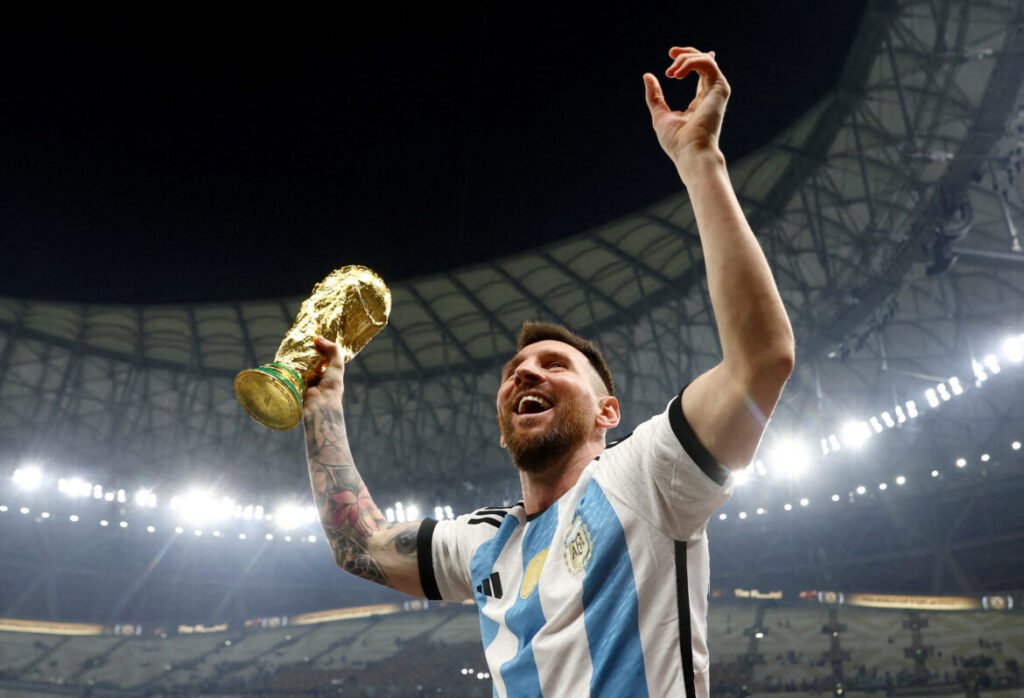
For Argentina, Lionel Messi may be in the twilight of his career, but his playmaking and set‑piece quality still tilt tight games. Even if he conserves energy, one genius pass or free kick can turn a cagey 0–0 into a decisive win.
Kylian Mbappé remains France’s ultimate cheat code. His pace in transition and ability to create something from nothing make France terrifying in any open game. If opponents push too high, one long ball in behind can decide the group.
Norway’s first World Cup since 1998 will revolve around Erling Haaland. He bulldozed qualifying with a record‑level goal tally and arrives as one of the most feared finishers on the planet. Give him half‑chances and Norway suddenly look like group winners instead of hopeful outsiders.
Among the hosts, Christian Pulisic for the United States and Alphonso Davies for Canada are the clear focal points. Pulisic’s direct dribbling and penalty threat often decide nervy games, while Davies’ surging runs from deep can overwhelm tired defenses and spark late winners.
These are the players who can turn a flat team performance into three points, and three points into a safe path out of the group.
Breakout young talents that could turn dark horses into contenders
The 2026 World Cup is also set up as a showcase for a ridiculous wave of young talent. These are the names that could transform dark horses into genuine contenders if they catch fire for two or three matches.
Midfield prodigies like Jude Bellingham, Gavi, and Jamal Musiala are already stars at club level, but 2026 is where they can fully own a World Cup. All three combine work rate with creativity, meaning they can dominate the ball and still arrive in the box to score.
From South America, Endrick for Brazil and Alejandro Garnacho for Argentina bring fearless attacking energy. Endrick’s explosive movement in the box and Garnacho’s one‑on‑one dribbling give their teams a chaos factor that can shred conservative group‑stage defenses.
Keep an eye on Kendry Páez with Ecuador. At just 19, he already looks comfortable dictating attacks in a top European league, and his ability to slip through balls or shoot from range makes Ecuador far more dangerous than their seeding might suggest.
For the hosts, a wild‑card name is Cavan Sullivan in the United States. If he makes the squad as a teenage super‑sub, his creativity and fearlessness could swing a late group game, especially in front of a home crowd desperate for a new hero.
If even two or three of these youngsters hit top form, entire groups will look very different from what the pre‑tournament odds predicted.
Injury, form, and late roster twists that can blow up predictions
The cruel truth about World Cup predictions is that they can be wrecked before a ball is kicked. A single hamstring strain in May 2026 could matter more than a year of tactical analysis.
If a superstar like Haaland, Mbappé, or Davies arrives half‑fit, their teams may suddenly look ordinary. Even a minor knock can reduce sprinting power or confidence in duels, which is often enough to turn wins into draws and draws into defeats. National teams are also heavily affected by club fatigue; players coming off 60‑game seasons might fade in the second or third group match.
Form swings can be just as dramatic. A striker who has not scored for his club in months might carry that anxiety into the tournament, while a previously fringe player on a hot streak can unexpectedly become the main goal threat. Managers sometimes ride that wave, reshaping lineups around whoever is peaking at the right moment.
Then there are the late roster twists: a teenager forcing his way into the squad after a breakout spring, or a veteran recalled for “one last dance” after a strong club run. Those decisions can change dressing‑room dynamics and even penalty‑taker hierarchies, which matter a lot in tight groups.
When you build your own predictions, always leave mental room for chaos. One injury report, one surprise omission, or one wonderkid promotion can completely reshape how a group actually plays out on the pitch.
Building your own 2026 World Cup group stage bracket
Simple step-by-step way to pick winners, runners-up, and third places
Start simple: go group by group. For each 2026 World Cup group, quickly sort the four teams into three tiers in your head: strong favorite, solid challenger, and outsiders. The favorite is usually a traditional powerhouse or a top‑ranked side. The solid challenger is the team you can realistically see winning the group if things break right. The outsiders are the ones more likely to fight for second or third.
Next, pick your group winner. Ask: “If these teams played this group ten times, who wins most often?” That team should top your bracket, even if you are tempted by a fun upset. Then choose the runner‑up by imagining a mini‑league between the remaining three. Think about consistency, not just one dream performance.
Finally, decide third place. Here, you can be bolder. Look at which underdog has a clear strength: a tight defense, a star forward, or strong recent form. Mark a few third‑place teams you think can reach four points or at least a positive goal difference, because those are the ones most likely to sneak into the knockouts.
Keep your notes short: winner, runner‑up, “live” third place, and “probably out.” Once you finish all 12 groups, you can step back and check that your bracket does not send every favorite through or every underdog home.
Balancing gut feeling vs. stats when making predictions
The best 2026 World Cup bracket uses both your instincts and the numbers. Let stats guide your baseline, then let your gut choose where to bend the rules.
Use rankings, recent results, and goal stats to answer three questions:
- Is this team usually good at tournaments or just in qualifying?
- Do they score freely or grind out 1–0 wins?
- Are they trending up or down in the last year?
Once you have that picture, bring in your intuition. Maybe you watched a qualifier where a so‑called minnow outplayed a giant. Maybe a star player looks unstoppable for his club. Those impressions are valuable, but limit yourself to a few big swings. For example, you might allow yourself two bold group winners and three surprise qualifiers from third place.
A nice balance: let stats decide about 70 percent of your bracket, and let your gut handle the remaining 30 percent. That way you still have fun, unique picks without throwing logic out the window.
Common prediction traps to avoid before the first ball is kicked
When you build a 2026 World Cup group stage bracket, it is very easy to fall into the same traps as everyone else. A few to watch out for:
- Falling in love with every upset. If half your group winners are underdogs, your bracket will probably collapse early. Upsets happen, but not everywhere at once.
- Ignoring third‑place math. With 48 teams and extra third‑place qualifiers, a side can advance with a win, a draw, and a narrow loss. Do not automatically eliminate a decent team just because you put them third.
- Overrating friendlies and one‑off games. A flashy friendly win months before the tournament can be misleading. Give more weight to competitive matches and recent qualifiers.
- Forgetting travel and schedule. In 2026, some teams will cross long distances between venues. A side playing in cooler evening kickoffs might handle the schedule better than one stuck in hot afternoon games. That can tilt tight groups.
- Picking with your heart only. Supporting your country or favorite star is great, but if you always push them to win the group no matter the draw, your bracket becomes wishful thinking, not a prediction.
If you avoid these traps, lean on a mix of data and instinct, and think carefully about winners, runners‑up, and dangerous third‑place teams, your 2026 World Cup group stage bracket will feel both bold and believable.
Related posts
 Fan Experience
3 Reasons Why Mbappé Won’t Surpass Zidane Ahead of World Cup 2026
 World Cup Qualifiers