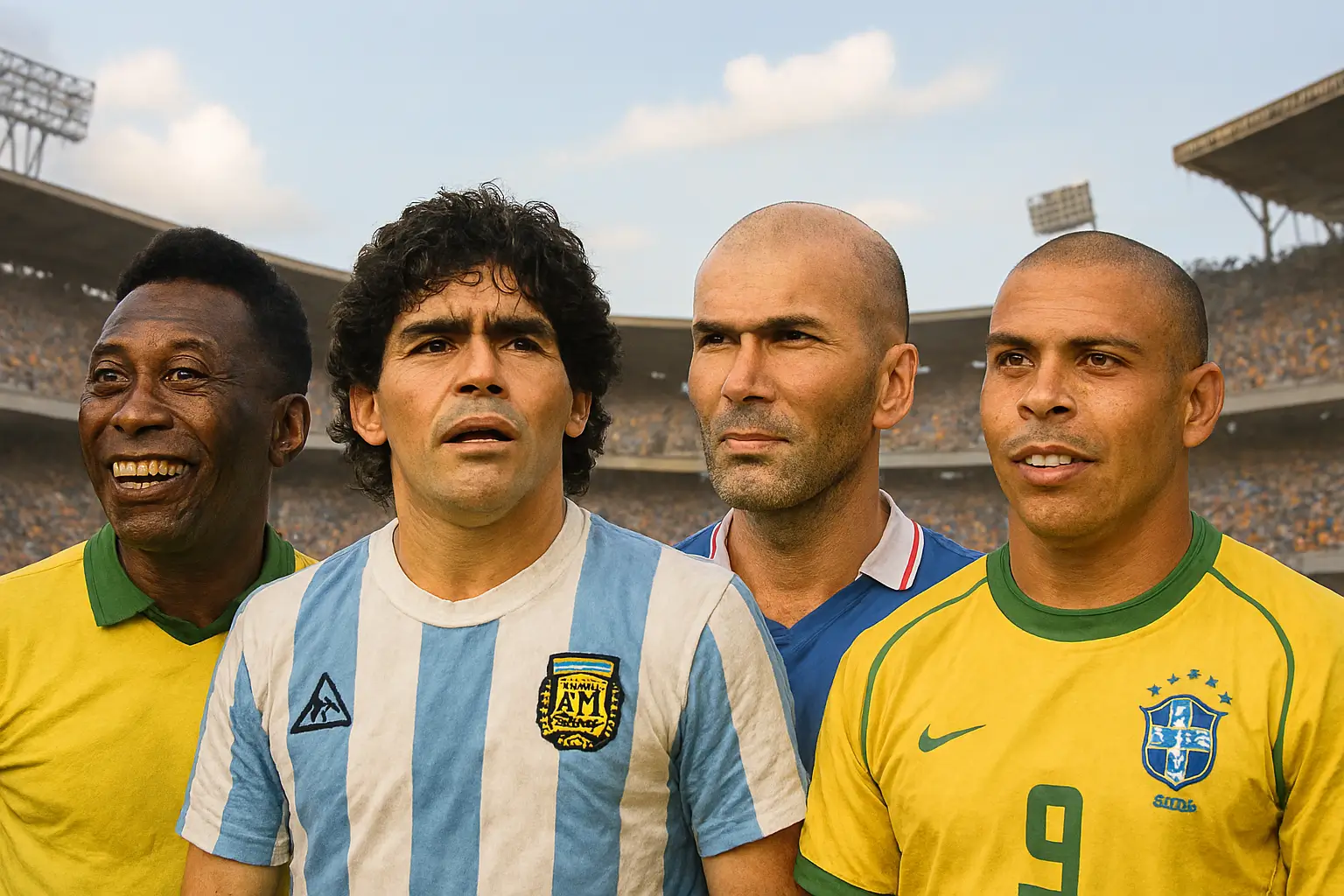
The FIFA World Cup isn’t just a football tournament; it’s a four-week trial by fire. For the players involved, it is the difference between being a footnote in a history book and becoming a permanent resident of the sporting pantheon. Over the decades, we’ve seen thousands of talented athletes grace these pitches, but only a handful have managed to bend the world to their will.
Becoming a legend on this stage requires more than just technical proficiency. It demands a specific kind of psychological makeup—the ability to find clarity when 80,000 voices are screaming in the stands and billions are watching at home. It’s about the “moment”: that split second where a player decides to do something impossible.
From the grace of the “Beautiful Game” to the grit of a goal-line stand, these are the titans who didn’t just play in the World Cup—they owned it.
Table of Contents
The Goal-Hunters: Forged in the Final Third
Strikers bear the heaviest burden. In the knockout stages, a single miss can haunt a career for decades. These three men, however, thrived where others crumbled.
Pelé: The Boy Who Became a King
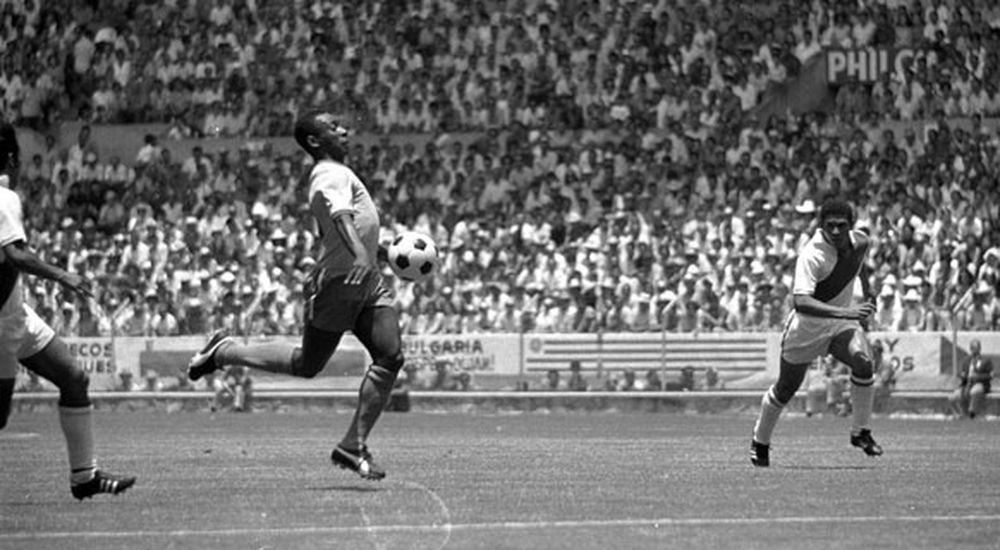
You cannot discuss the World Cup without starting with Edson Arantes do Nascimento. While modern fans argue over GOAT (Greatest of All Time) status, Pelé remains the only man to hoist the trophy three times (1958, 1962, 1970).
His 1958 debut was the stuff of fairy tales—a 17-year-old with a smile that lit up Sweden, scoring twice in the final. But it was 1970 in Mexico City where he reached a sort of secular sainthood. Leading arguably the greatest team to ever play the game, Pelé’s Brazil personified Joga Bonito. He wasn’t just a clinical finisher; he was the conductor of a footballing orchestra.
Diego Maradona: The Divine Troublemaker
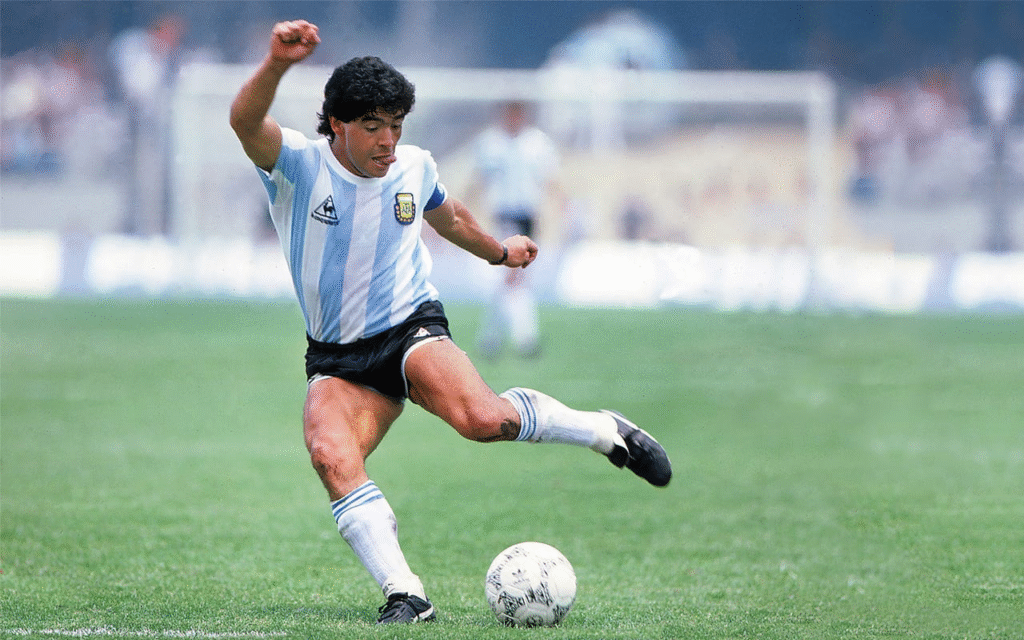
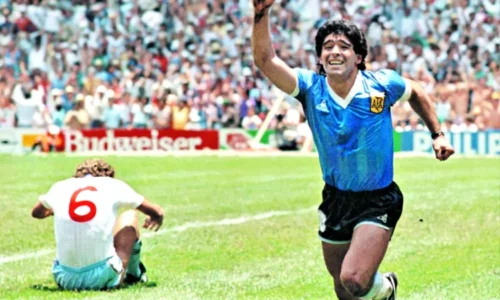
If Pelé was the game’s dignity, Maradona was its rebellion. To understand the Argentine’s 1986 campaign is to understand the soul of the sport. In the span of four minutes against England, he showed us the two sides of his genius: the “Hand of God,” a cynical, street-smart punch of the ball, followed by the “Goal of the Century,” a 60-yard dash that left an entire nation in his wake. Maradona didn’t just win that World Cup; he dragged Argentina to the finish line through sheer force of personality.
Ronaldo Nazário: The Ghost of 1998, The Hero of 2002
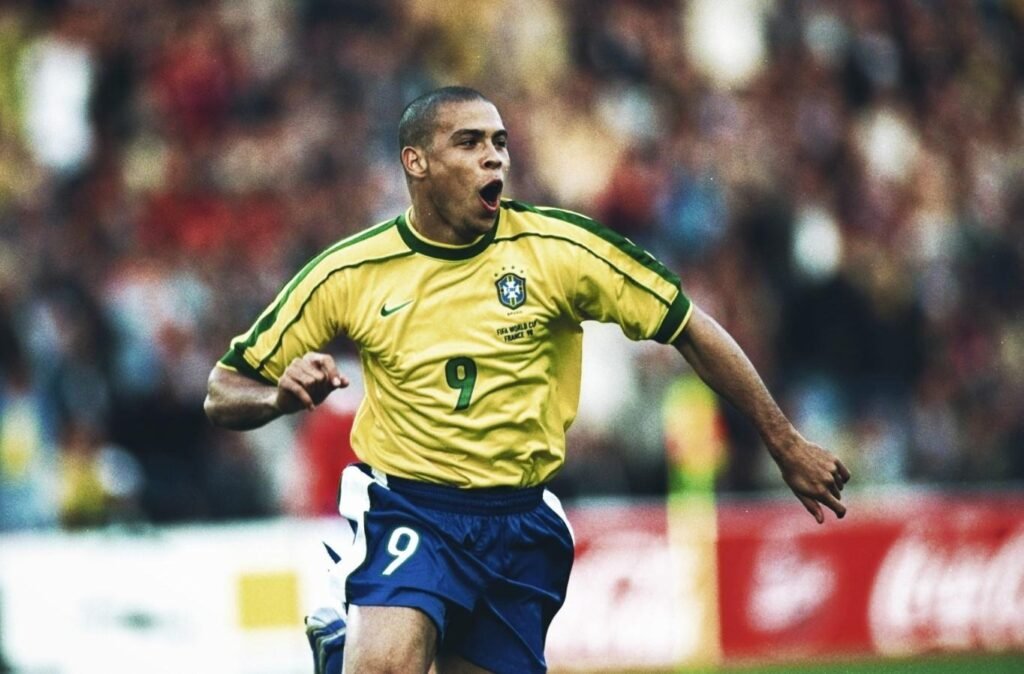
Ronaldo’s story is the ultimate sports redemption arc. In 1998, a mysterious seizure hours before the final turned “O Fenômeno” into a tragic figure as Brazil fell to France. Most players would have been broken by the injuries and the scrutiny that followed. Instead, Ronaldo returned in 2002 with a questionable haircut and an unquestionable hunger. His eight goals in Korea/Japan weren’t just about winning a trophy; they were about reclaiming his identity.
The Architects: Generalship in the Middle
The game is won in the chaotic “engine room” of the midfield. Here, legends aren’t measured by goals, but by how they control time and space.
Zinedine Zidane
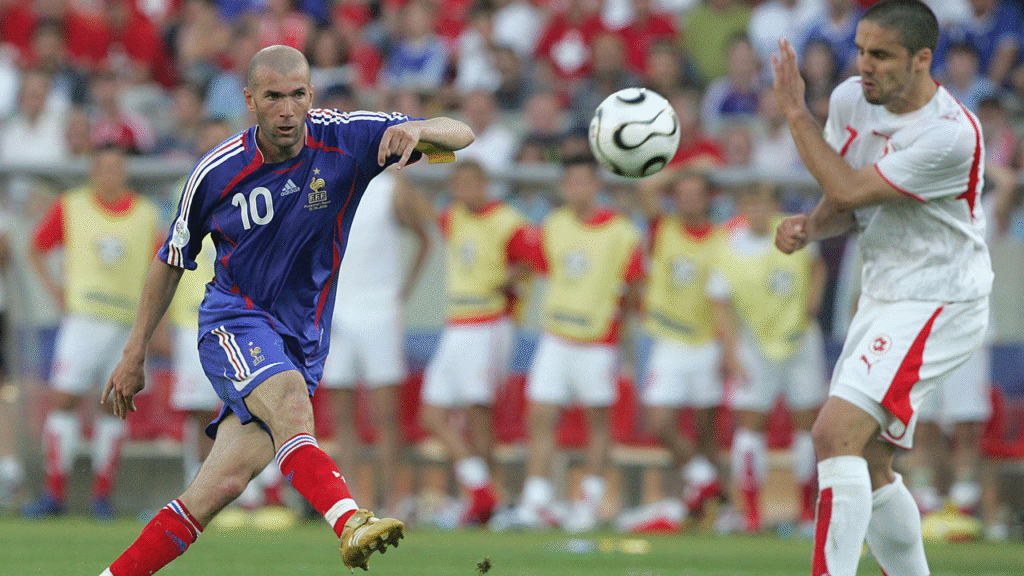
Zinedine Zidane moved like a ballet dancer in a room full of sprinters. His two headers in the 1998 final made him a national icon, but his 2006 swan song was perhaps more impressive. At 34, he dismantled a legendary Brazil side with a performance so elegant it felt like he was playing a different sport. Even his infamous exit via red card in the final couldn’t tarnish the sheer mastery of his footwork.
Johan Cruyff
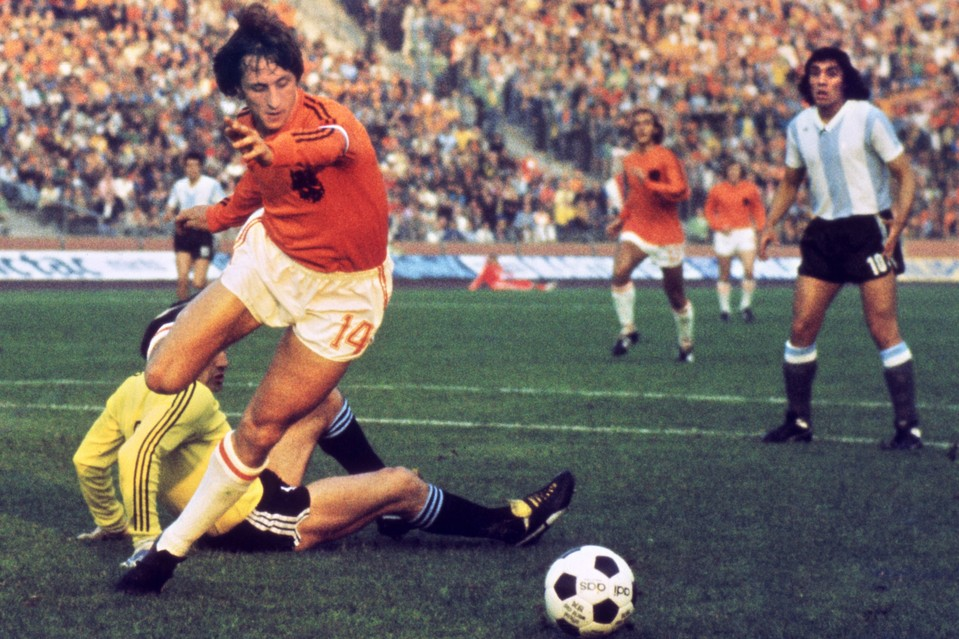
Cruyff is the rare legend whose influence isn’t measured in trophies (he never won one), but in philosophy. In 1974, he introduced the world to “Total Football.” He saw the pitch as a chess board, moving pieces with such fluid intelligence that the Dutch team of that era remains more beloved than many teams that actually won the gold.
The Guardians: Where Glory Goes to Die
We often forget that for every legendary goal, there is a legendary “No.”
Franz Beckenbauer
Franz Beckenbauer—”Der Kaiser”—essentially invented the modern defender. He didn’t just stop attacks; he started them, carrying the ball out of the back with a regal composure that earned him his nickname. He remains one of the few humans to win the trophy as both a captain (1974) and a manager (1990).
Gordon Banks
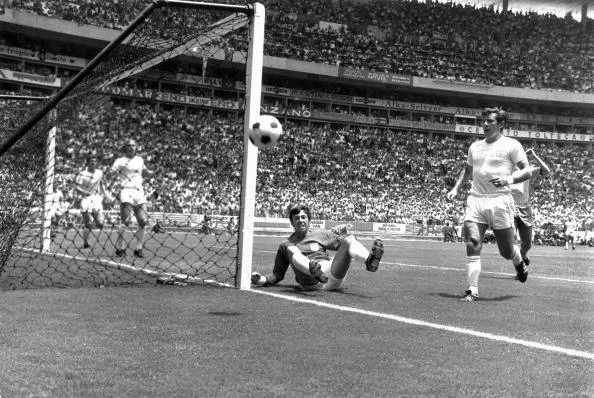
Then there is Gordon Banks. While he won the Cup in 1966, he is immortalized for a single six-second sequence in 1970. Pelé’s downward header was, by all laws of physics, a certain goal. Banks’ “impossible” save—clawing the ball up and over the bar—remains the gold standard for goalkeeping. Even Pelé had to stop and applaud.
The Final Word
History is written by the victors, but World Cup legends are written by the moments that make us catch our breath. Whether it was Pelé’s joy, Maradona’s fire, or Zidane’s grace, these players understood that the World Cup isn’t just a tournament—it’s an opportunity to become eternal.
Article Resources:
Related posts
 Championship
World Cup History: A Complete Guide to 7 Legendary Tournaments
 2026 FIFA World Cup Guide