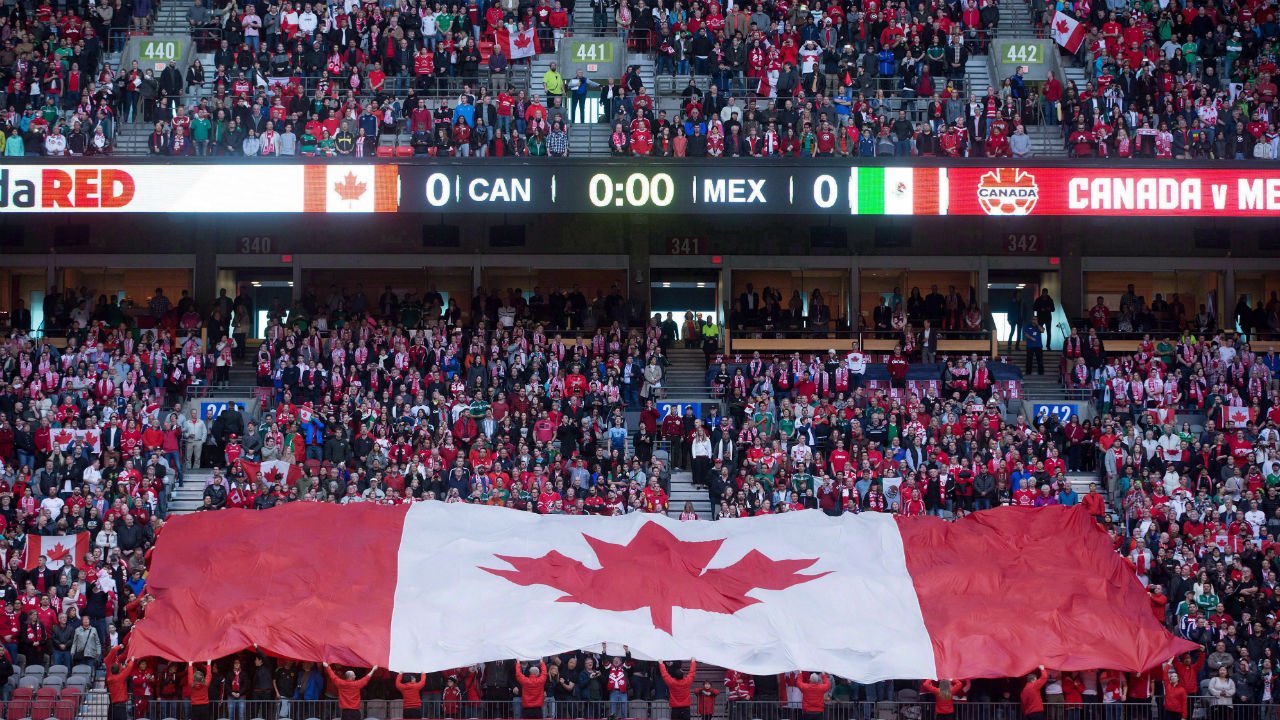
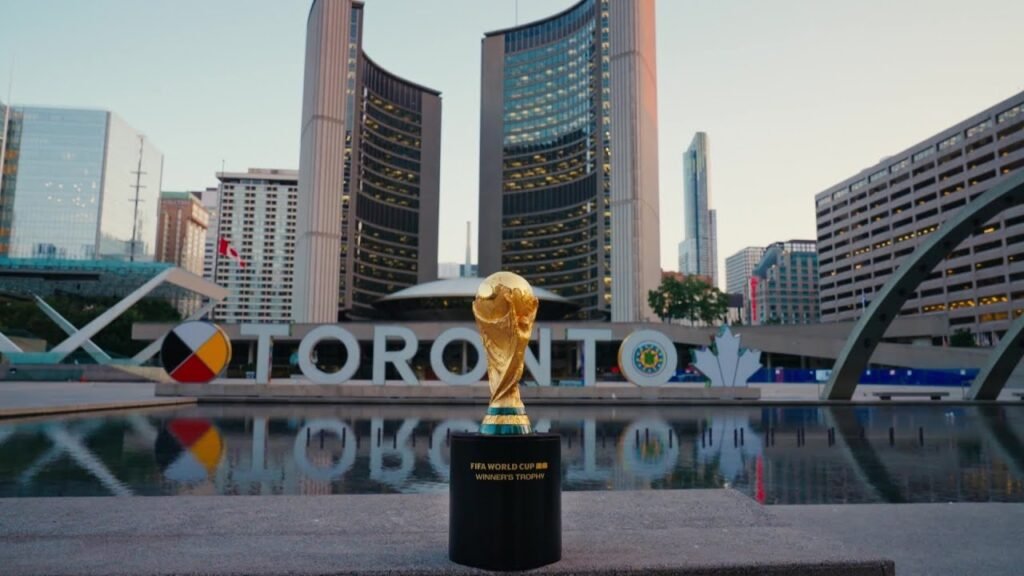
Canada doesn’t get chances like this often. Hosting a big international event is rare here, so when the World Cup lands in 2026, it’s not just another summer on the calendar. Toronto and Vancouver are set to hold the games, and for those few weeks the world will be watching. The obvious focus will be on who wins, who loses, and the drama on the field. But the more important story is probably what sticks around after the fans go home and the stadiums are quiet again.
The Money Side of It
There’s no hiding it: the tournament is going to pump money into the Canadian economy. Billions, if predictions are right. Hotels will be booked out, restaurants will be busier than ever, and local stores are going to see crowds they’ve never seen before. Toronto Pearson and Vancouver’s airport will be jammed, train stations crowded, and taxi drivers will be working overtime.
For people on the ground, it also means jobs. Some of those jobs will vanish when the last whistle blows, but others might linger. Hospitality, travel, and even retail could feel a bump that lasts longer, if Canada handles things smartly. That’s the catch — making sure this isn’t just a few weeks of profit but a longer wave that benefits more than the big companies.

Stadiums and Big Fix-Ups
Everyone’s curious about the stadiums. Toronto’s BMO Field is being expanded, adding thousands of seats, better lighting, and making it easier to get around. Vancouver has BC Place, which doesn’t need a total rebuild, but the city is spending heavily to make the whole experience smoother for visitors. These upgrades sound great, but the question is: will they be useful after 2026? If they end up being empty shells, that’s a problem. If concerts, league games, and community events keep them alive, then the money makes sense.
Planning Beyond Sports
Pulling off something like this isn’t just about paint, seats, or fancy turf. Governments at every level — federal, provincial, and local — are working together to handle security, transit, and logistics. It’s a massive effort. For Toronto and Vancouver, the Cup is also a chance to show off. Do it right, and these cities might attract more than just soccer in the years ahead — maybe music festivals, conventions, even other global sports events. That’s how you turn a short-term moment into a long-term win.
A Cultural Shift?
The biggest legacy might not even be money or stadiums. It could be cultural. Soccer’s been growing here, especially after Canada’s men made it to the 2022 World Cup. Imagine kids in 2026, sitting in crowded fan parks or up in the stands, watching some of the best players in the world. A lot of them will want to try the sport themselves. That’s how grassroots programs grow, how leagues get more attention, and how a sport that’s usually second or third on the Canadian sports ladder might finally climb higher.
Keeping It Green and Open for Everyone
Modern events can’t just be flashy — they need to be responsible. That’s why both cities are focusing on sustainability. Greener stadium operations, better waste management, and more public transport are part of the plan. Accessibility too: making sure fans with disabilities can enjoy the matches without barriers. These aren’t changes that vanish when the Cup ends; they’ll stay in place, improving life for residents long after the final whistle.
The Risks Hanging Over It
Still, nothing this big comes without risks. Hosting costs are steep, and both Toronto and Vancouver are spending hundreds of millions. If stadiums aren’t used enough later, or if tourism slows down, people will ask whether it was worth it. Smaller towns outside the spotlight may feel excluded. And if the biggest benefits end up going to corporations while regular people barely notice, the glow will fade fast. Sustainability promises not kept? That could sting too, damaging the image Canada wants to project.
Success Isn’t Just About Money
So what does success really look like? Not just balance sheets. Success is BMO Field still full years later. It’s BC Place hosting concerts, leagues, and international events beyond soccer. It’s kids in Toronto, Vancouver, and elsewhere deciding to lace up cleats because they were inspired in 2026. It’s tourists returning later because they had a great experience.
For Canada, this World Cup is more than hosting matches. It’s a rare chance to open the door wide, show the country off, and invest in things that last. Done well, it won’t just be remembered as the summer Toronto and Vancouver held a few games. It could be remembered as the moment soccer finally carved out its own space in Canadian life.
Read More: The Long-Term Impact of Hosting the 2026 FIFA World Cup For USA
Related posts
 Fan Experience
3 Reasons Why Mbappé Won’t Surpass Zidane Ahead of World Cup 2026
 Predictions